

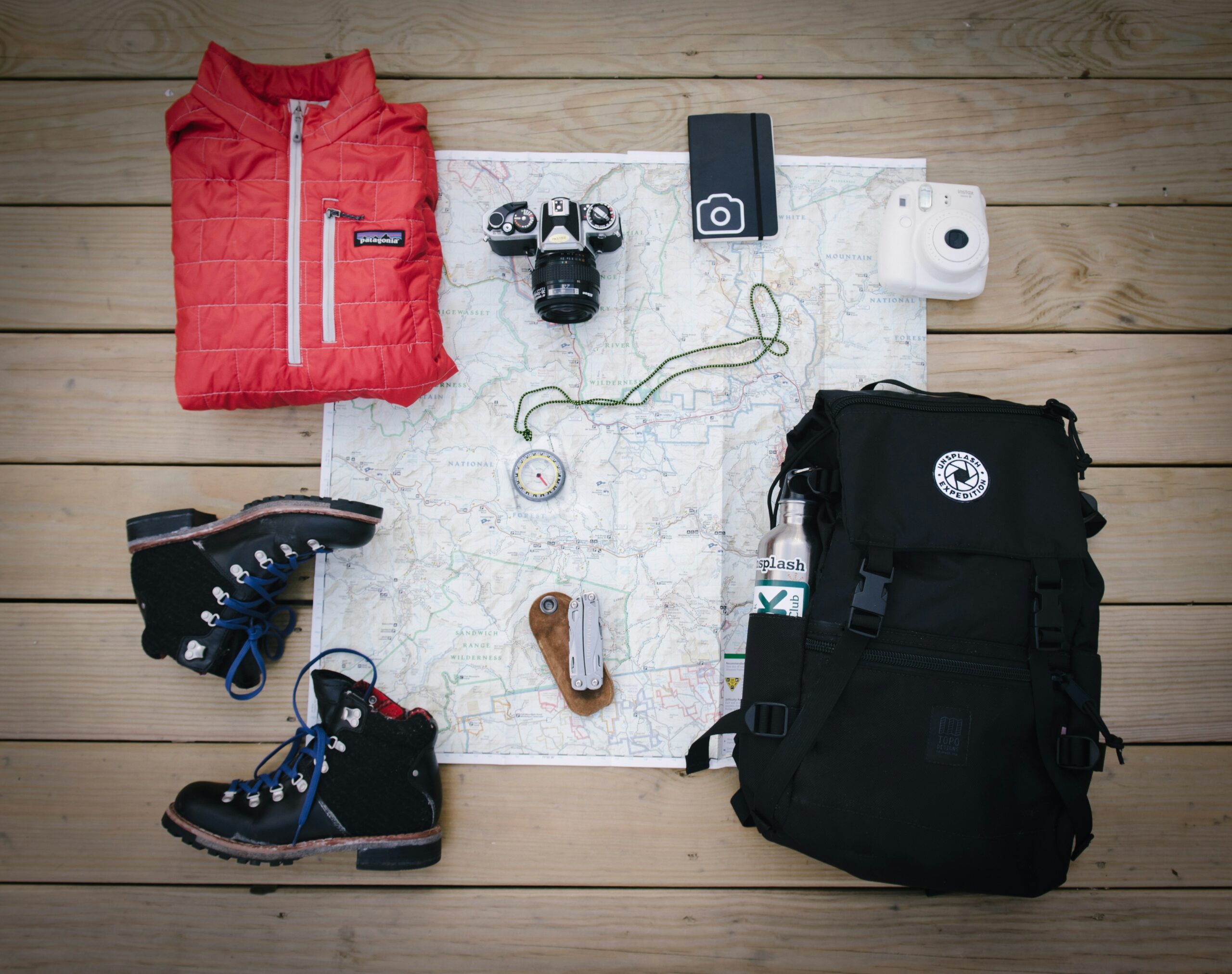
Packing for a trip usually feels exciting until you stare at mountains of plastic bottles and single-use items. Many conscious travelers worry about leaving massive trash footprints behind during their holiday adventures.
Modern outdoor brands now create brilliant eco-friendly gear designed to protect our precious natural environment. Choosing sustainable travel accessories lets you explore pristine wilderness areas without harming local ecosystems.
Smart vacationers know that green gear choices matter just as much as choosing ethical destinations. Every single explorer deserves to pack high-performing equipment that respects the planet. Taking time to research durable eco-gear transforms basic packing routines into powerful sustainability statements.
Modern shopping platforms provide wonderful resources for discovering recycled backpacks, solar chargers, and zero-waste toiletries.
Your upcoming getaway will feel much more rewarding with these green travel insights. Smart preparation unlocks hidden sustainable products that most average tourists completely miss.
A. Zero-Waste Hydration and Dining Tools

A. Packing reusable stainless steel water bottles and insulated tumblers eliminates single-use plastic waste on foreign roads. Modern insulated bottles keep your drinking water ice-cold for hours during scorching desert walking tours.
From a personal perspective, filling up water taps saves hundreds of dollars during long international trips. You stay hydrated while keeping plastic bottles completely out of foreign landfills.
B. Carrying portable bamboo cutlery sets and silicone travel straws helps you avoid plastic forks at street food stalls. Local food markets offer amazing culinary treats, but vendors often hand out flimsy plastic utensils.
My expert advice is to slide a lightweight titanium spork right into your daypack side pocket. Being fully prepared protects you against unexpected plastic pollution during quick meals.
C. Packing collapsible silicone food containers lets you store fresh market leftovers without wasting single-use plastic bags. Experienced eco-tourists know that reusable containers make picnic lunches on mountain trails clean and simple.
Smart explorers always rinse their silicone gear at hostel sinks right after finishing lunch. Protecting pristine landscapes ensures future hikers enjoy the exact same natural beauty.
D. Bringing lightweight mesh produce bags replaces thin plastic grocery bags when shopping at local farmers markets. Buying regional snacks lowers the massive transport emissions tied to packaged supermarket goods.
From an environmental standpoint, mindful shopping habits nourish your body while protecting local farm economies. Good food tastes even better when you know it harms no ecosystems.
B. Eco-Friendly Apparel and Footwear
A. Wearing clothing crafted from organic cotton or recycled polyester fibers reduces water waste and microplastic pollution significantly. Modern eco-fabrics wick sweat away efficiently while maintaining extreme durability during rugged jungle treks.
In my view, investing in high-quality sustainable apparel saves money because clothes last for many years. Sustainable fashion keeps your travel wardrobe stylish and earth-friendly simultaneously.
B. Packing versatile multi-use travel clothing minimizes luggage weight and simplifies your daily packing routine. Savvy travelers wear neutral-colored shirts that mix and match easily for different social occasions.
My personal experience proves that packing less clothing makes moving through crowded train stations feel effortless. Traveling light reduces your personal carbon footprint during flights.
C. Choosing sturdy hiking boots made from ethically sourced leather or plant-based vegan materials protects your feet safely. Sustainable footwear brands use recycled rubber outsoles to provide maximum grip on steep mountain trails.
Smart hikers always break in new eco-boots weeks before embarking on long backpacking journeys. Protecting your joints ensures you can hike comfortably for many years ahead.
D. Bringing quick-dry travel towels made from recycled plastic bottles saves valuable space in your carry-on backpack. Traditional cotton bath towels stay wet for hours and collect unpleasant odors inside dark hotel rooms.
From a practical standpoint, innovative microfiber towels dry your body in seconds. Smart packing details reduce stress on every subsequent adventure.
C. Solar Power and Sustainable Electronics
A. Packing portable solar-powered power banks keeps your smartphones and cameras charged using clean sunlight. Modern solar chargers attach easily to backpacks so they absorb solar energy while you hike mountain trails.
My firm belief is that harnessing renewable energy makes remote wilderness camping completely self-sufficient. Solar gadgets free you from searching for wall outlets in foreign cafes.
B. Choosing rechargeable lithium-ion batteries instead of disposable alkaline batteries prevents toxic chemical waste in landfills. Seasoned backpackers keep a compact USB charging hub inside their tech pouches to manage all devices.
Smart travelers label their charging cords clearly to avoid tangled messes inside dark hostel rooms. Keeping your electronic gear organized directly influences your mental relaxation levels in flight.
C. Investing in durable wooden or recycled plastic phone cases protects your valuable devices from accidental drops. Practical outdoor explorers know that broken electronics cause massive stress during foreign transit connections.
Avoiding fragile gear failures keeps your digital navigation maps accessible at all times. Staying connected safely ensures your adventure remains joyful.
D. Packing eco-friendly biodegradable sunscreen and natural bug sprays protects fragile coral reefs and river ecosystems. Chemical sunscreens wash off into ocean waters during swimming sessions, causing severe damage to delicate coral structures.
Experienced eco-tourists always check ingredient labels before purchasing personal care items. Taking care of your skin naturally allows you to enjoy stunning nature spots fully.
Conclusion

Choosing your next travel gear kit requires balancing personal adventure desires against ecological responsibilities. Careful preparation turns standard packing lists into meaningful statements of environmental stewardship and respect.
Smart material choices and renewable electronics protect natural ecosystems across the globe. Future vacations will feel much more rewarding with these green gear insights. Prioritizing responsible equipment always pays off during modern travel planning.
Evaluating environmental impacts helps justify your adventurous lifestyle choices without guilt. True explorers know that sustainability fuels great global adventures. Your next green trip awaits your thoughtful planning.
Safe travels start with making informed decisions today. Preparing well unlocks the ultimate eco-friendly experience. Taking control of your footprint creates lasting happy memories. Enjoy every single moment of your wonderful sustainable adventure.

